Table Of Content
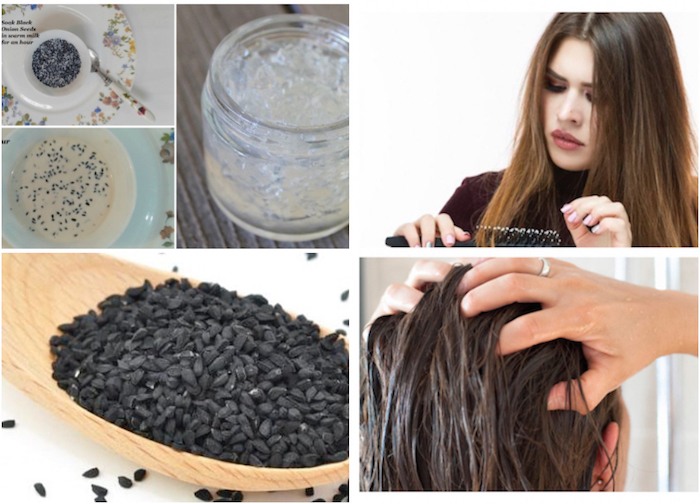
"Try adding a few drops to the palm of your hand, rubbing your hands together, and raking the oil through your strands to evenly distribute it," says Yadav. Just because the oil hasn't been thoroughly proven to promote hair growth doesn't mean that it doesn't have lots of other great hair care perks. Thanks to the essential fatty acids, black seed oil can hydrate and strengthen strands for healthier, happier hair. Meanwhile, the ingredient's antifungal and anti-inflammatory properties can potentially reduce dandruff and improve scalp health. According to Traditional Chinese Medicine (TCM), "hair is a direct extension of your blood circulation. Therefore, increasing blood circulation directly benefits the health of your scalp and hair," she says.

Antibiotics Side Effects: 8 Tips to Manage It
[2] Despite their small size, black cumin seeds contain an abundance of essential nutrients and beneficial phytonutrients. And with their long history of use as a natural remedy, black cumin seeds are an excellent superfood whose health benefits you wouldn’t want to miss out on. Kalonji oil and nigella sativa oil, is a remarkable natural remedy for hair loss, greying, malnourished or messy hair, and more! All of these problems can be treated with the help of black seed oil due to its effects on blood circulation, hydration, and nutrient delivery to the follicles. However, practicing as much caution as possible for long-term usage of nigella sativa oil is advisable. Below, you’ll find a list of the potential black seed oil side effects to be aware of.
Castor Oil for Hair in 2023: The Benefits, Risks, and How to Use - Cosmopolitan
Castor Oil for Hair in 2023: The Benefits, Risks, and How to Use.
Posted: Tue, 28 Nov 2023 08:00:00 GMT [source]
Black Seed Oil For Dandruff
It attempts to neutralize your hair condition by trapping moisture in the strands, helping the follicles maintain their normal oil production rather than being affected by dryness. This increased moisture, in turn, ensures your hair remains well-conditioned without becoming too dry or greasy. And within them has amazing nutrients, including protein, fatty acids, minerals such as iron, copper and zinc and curative bioactives. Read further to learn how to achieve healthy, strong, and beautiful hair with black seed oil. Click here to learn more about potential interactions and side effects of black seed oil. Most clinical research shows that an effective dosage of black seed oil is between 1 to 3g (for capsule form) or 5 to 10mL in liquid form, which amounts to roughly 1 to 2 teaspoons.
Black Seed Oil Improves Scalp Health and Hair Density
A 2013 study of 20 women with telogen effluvium showed significant improvement when treated with a lotion containing 0.5 percent black seed oil. With its spicy flavor, a high-quality (100 percent pure, therapeutic-grade and certified USDA organic) black seed oil can be used in all kinds of recipes, from meat main courses to soups and stews. As with all oils, make sure to store your black seed oil away from heat and light and out of the reach of children. When taken internally, black seed oil side effects may include upset stomach, vomiting, or constipation. Pakistan scientists took several strains of MRSA and discovered that each one was sensitive to N. Sativa, proving that black seed oil can help slow down or stop MRSA from spreading out of control.
It’s important to be consistent over a long period of time when using black seed oil in order to gain the most benefits. Most of the studies had their participants massage black seed oil into the scalp and let for minutes before washing off. Before trying black seed oil, make sure to make an appointment with your healthcare provider to determine if and how much black seed oil to take. Black seed oil is a common supplement used in alternative medicine to help treat a variety of conditions. Due to insufficient research, there’s currently no established recommended dose of black seed oil. It’s important to talk with your healthcare provider for personalized dosing recommendations.
How Does Black Seed Oil Work for Hair Growth?
Nearly every toxin gets processed through the liver, and the bile from the liver is the key to digesting fats and keeping your mind and body happy and healthy. Free radicals from external factors such as sun damage, pollution, dirt, and other contaminants can leave your hair lifeless, dull, and damaged. As the dosage can vary by use, it’s recommended to first talk with your healthcare provider for personalized dosing recommendations. It can help to look for products that have been certified by ConsumerLabs, the U.S. Pharmacopeial Convention, or NSF International, all of which test for quality.
Also referred to as black cumin or nigella sativa, black seed oil is thought to naturally restore hair growth in thinning areas thanks to its high concentration of thymoquinone, a powerful antihistamine. Yep, antihistamines are often prescribed to alopecia patients to help regrow hair, and get this, it’s actually an essential oil. That means it’s not thick like olive or coconut oil, and it has added therapeutic benefits. It also means that 100 percent pure, unrefined and cold-pressed black seed oil has to be diluted in another carrier oil (such as coconut or olive), because it’s too potent on its own.
Thousands of microorganisms reside on your scalp, ready to cause infections or serve as a source of proliferation for head lice. One of the best remedies for these infection-causing microorganisms is nigella sativa oil. Do you have curly hair that causes you aggravation every time you wake up? People with curly hair tend to get a dry scalp and dry hair more easily, which can result in frizzy or messy-looking hair. Based on data from research studies, black seed oil takes anywhere between one to three months, provided you use it consistently (2, 4). This study, for example, shows that black seed oil can be helpful in promoting hair regrowth in the experience of thinning hair.
Here are some of the methods of using black seed oil to improve your hair condition. Treatment for hair loss depends on the cause, but may include medications such as minoxidil, finasteride, cortisone, and antiandrogens. Other treatments may include treating underlying infections, addressing possible triggers, and hair transplantation. There is a scarce amount of knowledge about the potential applications of essential oils such as peppermint oil and their components in hair care.
Regarding dosage, Snyder says it is best to check with your healthcare provider on how much is best suited for your daily routine. "Choose 100% pure, therapeutic-grade, USDA-certified organic black seed oil" she recommends, like this option that she points out is USDA-Certified organic, high thymoquinone, 100% pure Nigella sativa, cold pressed, virgin and unrefined. Research shows that thymoquinone can be antibacterial, antifungal, and work as an antioxidant.
This scalp-nurturing clarifying 'poo is infused with a cocktail of anti-inflammatory extracts, including—you guessed it—Nigella sativa. Black seed oil contains a compound called thymoquinone, which may stimulate tissue growth and promote wound healing. Black seed oil is an herbal ingredient derived from the plant Nigella sativa, which is native to Eastern Europe and Western Asia. The compensation we receive from advertisers does not influence the recommendations or advice our editorial team provides in our articles or otherwise impact any of the editorial content on Forbes Health.




No comments:
Post a Comment